

By now you know: mentions beat links. Today’s prediction is about who’s actually doing the searching. Spoiler: it’s not the human.
This is prediction #3/15 for marketing careers.
A few weeks ago I was looking for DJ gear. My dad just retired and wanted to learn DJing (hello late-life crisis). As a student, I used to be a not-so-great DJ. I still kinda know how it works, but my gear knowledge was 10+ years out of date.
So I opened Gemini, gave it some criteria and hit the deep research button. After about 10 minutes I got two clear winners with a nice comparison table and clear, structured argumentation. Gemini answered follow-up questions about tech specs, searched Reddit and forums for real user reviews. I asked it to find the cheapest place to buy the chosen device and it gave me one with a nice 29% discount. NICE.
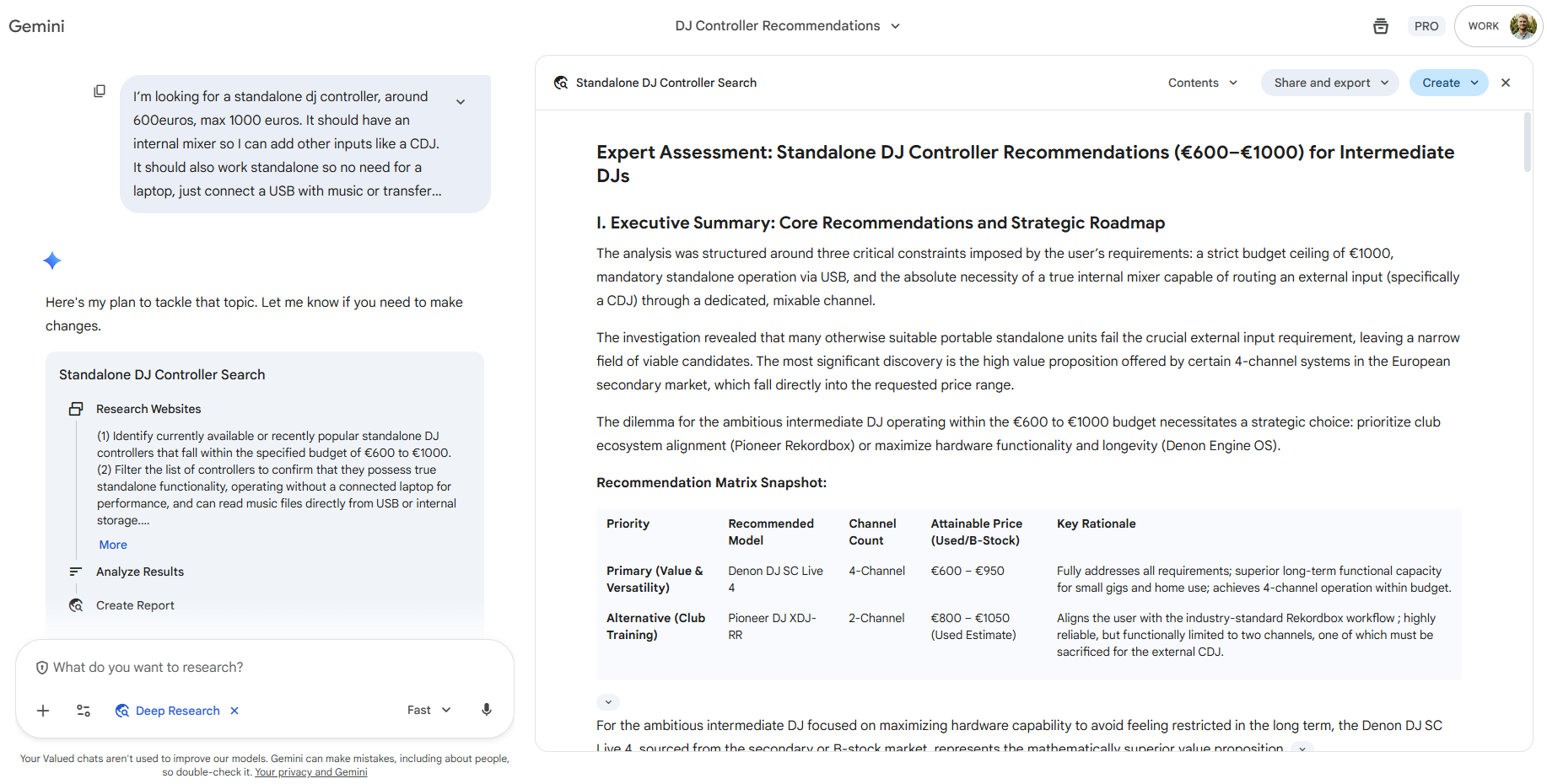
15 minutes. Never opened Google. Never visited a brand website. Didn’t compare ecommerce sites. The AI did my entire purchase journey: research, comparison, community validation, price shopping. My personal shopping assistant.
The customer journey just got a co-pilot. And soon, the co-pilot will be flying the plane.
Prediction 3/15: AI becomes the new gatekeeper. If the model doesn’t know you, it won’t choose you.
What’s happening? You’re marketing to two audiences now.
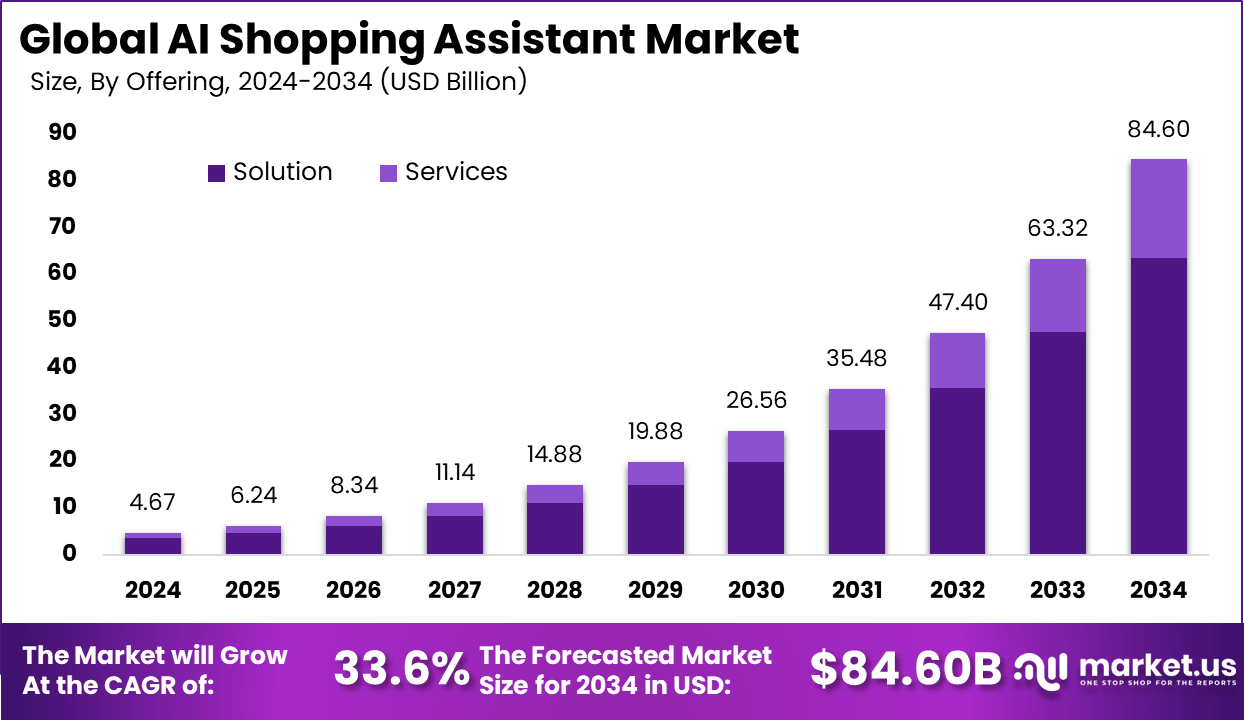
Here’s the number: 24% of consumers already use an AI-powered shopping assistant.
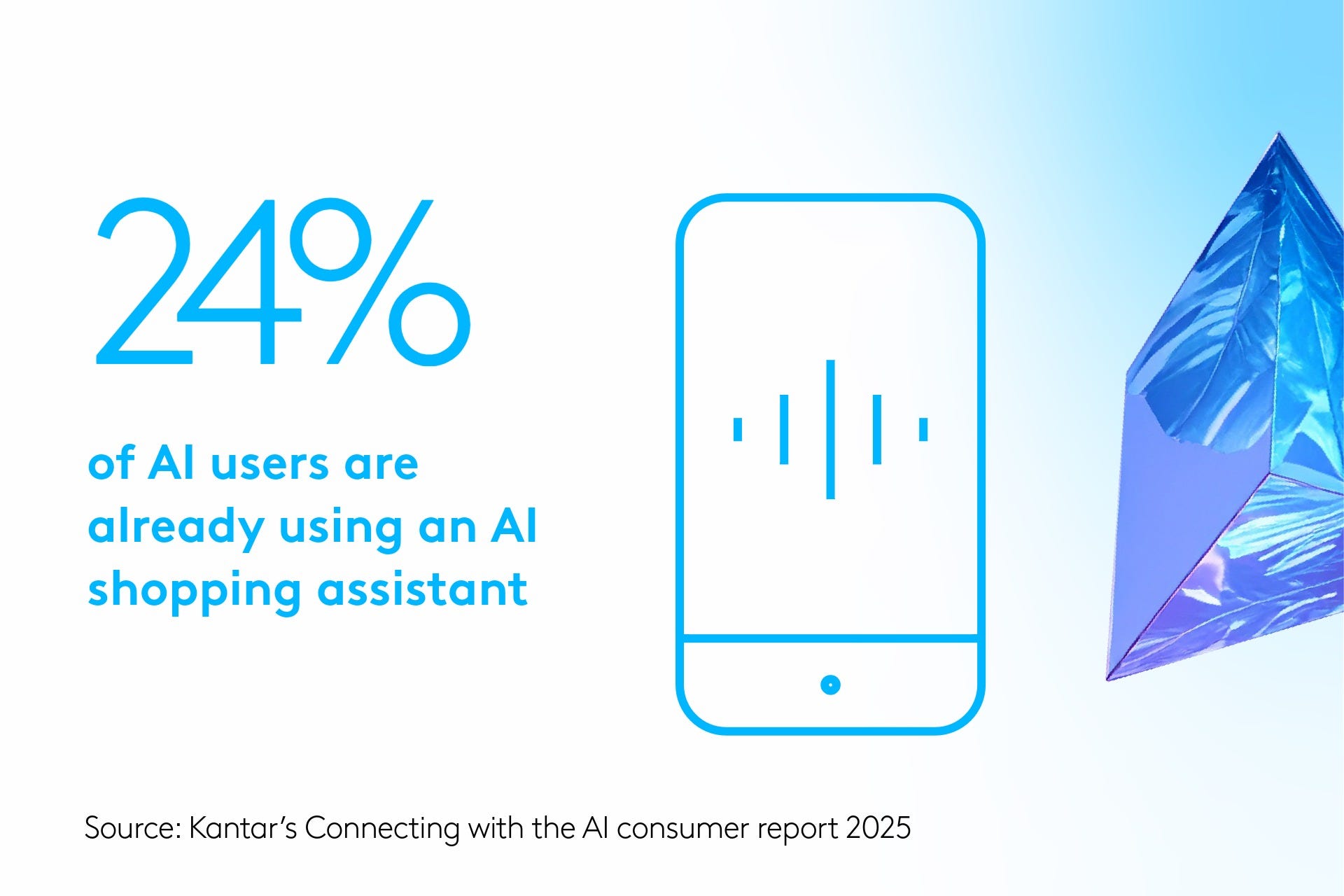
That’s one in four customers potentially asking an AI what to buy before they ever visit your website.
We’re moving from AI as assistant to AI as agent.
But here’s what most marketers miss: these AI agents don’t experience your brand the way humans do. They don’t see your logo. They don’t feel your vibe. They don’t watch your brand video.
They parse your data.
And if that data isn’t structured in a way they can read? You’re invisible.
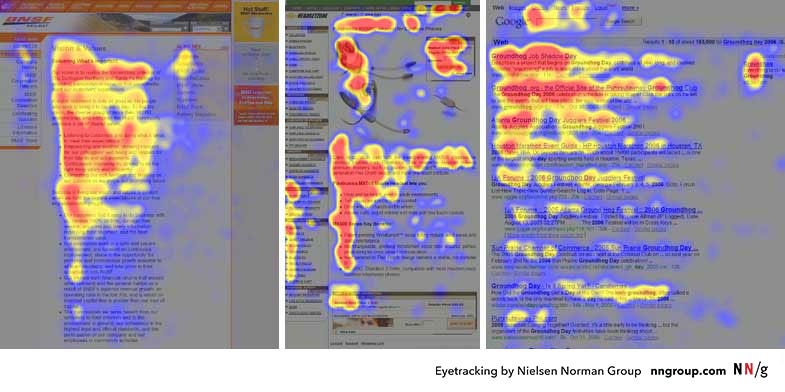
The terminology is evolving fast and nobody agrees on abbreviations and terms. But I like to compare it this way:
GEO (Generative Engine Optimization)
Optimizing so AI search engines can find and recommend you (what we covered in Prediction #2).
AEO (Agent Engine Optimization)
The next evolution, optimizing for AI agents that act autonomously on behalf of consumers.
Yeah I know some people use AEO for “Answer Engine Optimization” which is basically the same as GEO imho. I totally hate Gartner but they also use AEO like this so yeah. ¯\_(ツ)_/¯
Schema markup, JSON-LD
The technical infrastructure that makes you machine-readable.
![An SEO's Guide to Writing Structured Data (JSON-LD) [Schema @ID] - Moz](https://substackcdn.com/image/fetch/$s_!4gm5!,f_auto,q_auto:good,fl_progressive:steep/https%3A%2F%2Fsubstack-post-media.s3.amazonaws.com%2Fpublic%2Fimages%2F9e34e13f-0419-4245-a3ec-82f785c80367_758x668.png "An SEO's Guide to Writing Structured Data (JSON-LD) [Schema @ID] - Moz")
You better keep up.
You thought you were optimizing for Google. Then for ChatGPT. Now for AI agents that book, buy, and negotiate without human approval.
You’re not just marketing to humans anymore. You’re marketing to the machines that influence humans. And increasingly, those machines have opinions.
What’s amplifying this? AI agents read differently than humans.
Here’s what clicked for me: humans and AI agents process information completely differently.
How humans read your site:
Land on homepage
Get a vibe from design and messaging
Browse around, click what looks interesting
Read testimonials, watch videos, compare items
Eventually find pricing and specs
Decide based on feeling + logic
How AI agents read your site:
Parse structured data (JSON-LD, Schema markup)
Extract: price, availability, features, ratings
Compare against user criteria
Recommend or skip
Never see your beautiful homepage

The agent journey is clinical. It’s comparison shopping on steroids. And it happens before the human even knows options exist.
Marketers have always talked about customer journeys. Now there are two:
Journey 1: The Human Journey
The buyer researches, compares, reads reviews, asks friends, decides. You know this one. You’ve optimized for it your whole career.
Journey 2: The Agent Journey
The AI assistant researches, filters, compares specs, checks availability, and recommends. Sometimes before the human even knows they’re shopping.
Keron Rose calls this “Delegated Intent.” Consumers aren’t searching anymore. They’re assigning missions: “Find me white sneakers under $120 that match my wardrobe. Find the best option and buy it.”
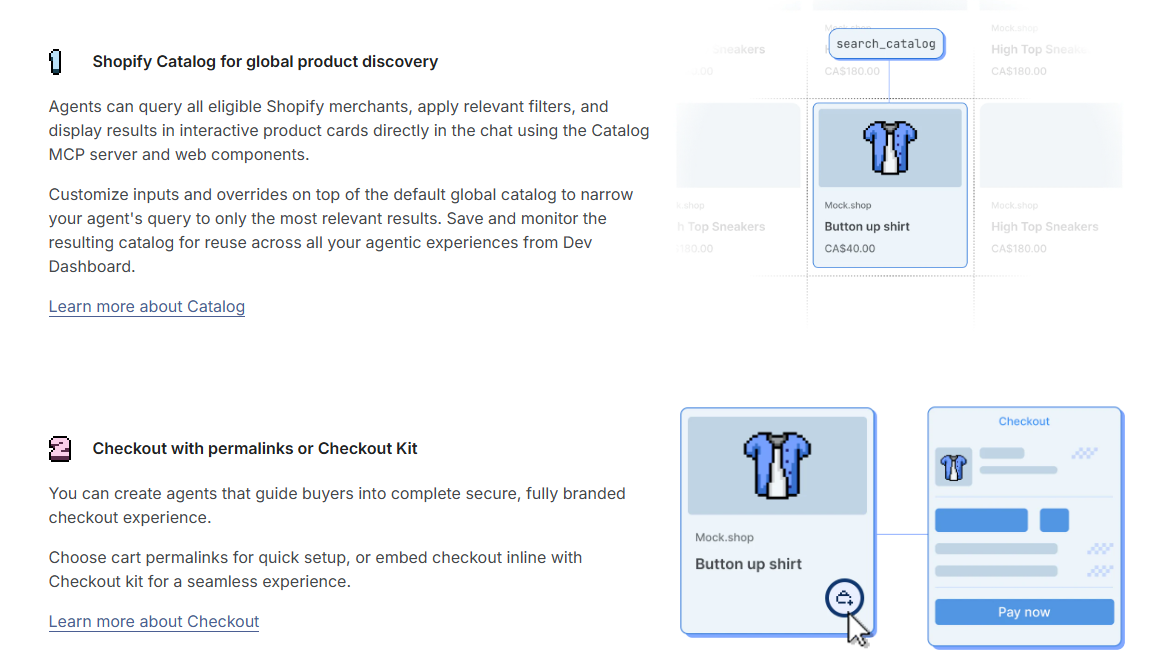
And the infrastructure is already being built. Shopify rolled out “Universal Cart” functionality. AI agents can now lump items from multiple stores into one cart and execute a single checkout. The consumer never visits your website.
Here’s the uncomfortable part: these journeys can happen simultaneously. Or the agent journey can happen instead of the human journey.
When your customer says “find me the best project management tool under $20/month,” they’re not opening 15 browser tabs anymore. The AI does the filtering. The AI makes the shortlist. The human just approves.
If you’re not on that shortlist, you never existed.
The shift is already measurable:
AI traffic to retail sites is up 805% year-over-year. (Adobe)
$14.2 billion in global online sales were driven by AI agents in 2024. (Salesforce)
By 2028 90% of B2B buying interactions will be intermediated by AI agents. (Gartner)
This isn’t future speculation. It’s happening now.
What’s the catch? The agents are still dumb (for now).
Before you panic about robot overlords choosing your customers’ purchases, let’s inject some reality.
“Agent” is generous terminology.
Right now, most “AI shopping assistants” are glorified search with better summarization. They’re not autonomously purchasing. They’re not negotiating prices. They’re not managing ongoing vendor relationships.
The fully agentic behavior exists but is edge-case. The tech still needs to advance before AI books, buys, cancels, and negotiates without human approval.
The agent economy is still tiny.
Yes, 24% of consumers use AI shopping assistants. But “use” doesn’t mean “delegate all purchase decisions to.” Most people are still using AI for research, not for buying. The fully autonomous purchase is still rare.
We’re still using AI as a shopping research assistant for now.
But not even 3 years ago (!!!) we were laughing with Will Smith eating spaghetti. Who’s laughing now?
The “black box” problem got worse.
In Prediction #2, I mentioned you can’t easily track AI search visibility. With AI agents, it’s even murkier. How do you know which agents are recommending you? How do you measure “agent awareness”?
Right now, you can’t. Not reliably. You’re optimizing based on theory and spot-checks.
Nobody knows what “optimizing for agents” actually means.
The honest truth: AEO is still mostly vapor. The consultants selling it don’t have playbooks yet. They’re figuring it out as they go. Anyone who claims to have cracked the code is probably overselling.
What we do know: machine-readability matters. Structured data matters. Being mentioned in trusted sources matters (hello, GEO from yesterday). Beyond that? It’s educated guessing.
AI agents have a Big Brand Bias.
Here’s research that should scare challenger brands: University of Toronto tested how AI recommends products. When queries were unbranded (”suggest a good soda”), ChatGPT favored major global brands 56.3% of the time. Perplexity? 67.9%. Niche brands were cited as low as 5.8% of the time.
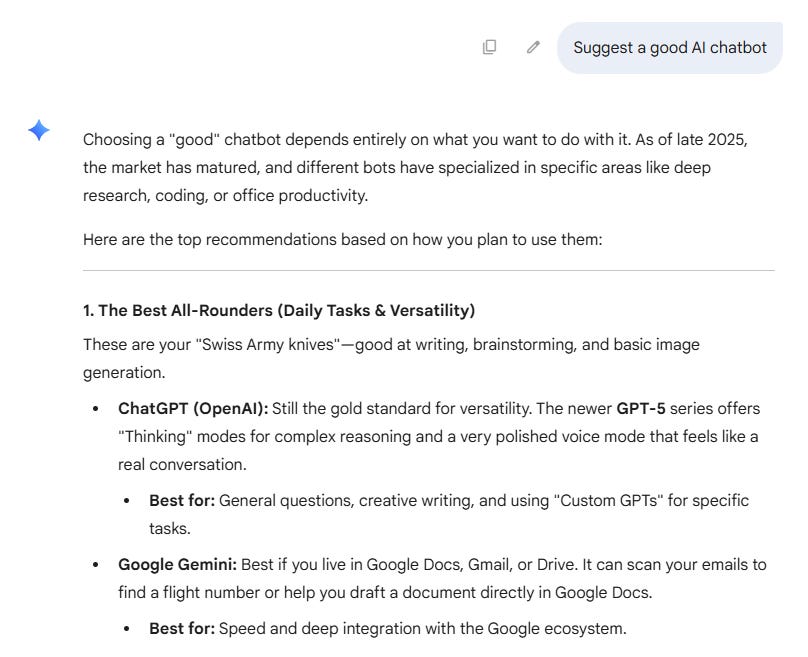
The models learned from internet data. Internet data over-represents big brands. So the AI defaults to Coke, not your craft cola.
Here’s how dominant that bias is: Heinz ran an experiment with DALL-E 2. They prompted the AI with generic terms like “ketchup,” “ketchup art,” “ketchup in space”… without mentioning the brand. The AI overwhelmingly generated images that looked exactly like Heinz bottles. The model learned: ketchup = Heinz. That’s “Share of Model.”
University of Toronto also found that for high-stakes purchases (like cars), AI search serves 81.9% earned media (reviews, news) vs only 18% brand content. Compare that to Google’s 45%/40% split. AI actively suppresses brand-owned content in favor of third-party validation.
If you’re a challenger brand, you can’t rely on generic recommendations. You need “Justification Attributes”: specific, extractable data points (”100% organic,” “lifetime warranty,” “made in Belgium”) that give the AI a logical reason to choose you over the default giant.
The human still signs the check.
Even when AI agents recommend and filter, a human usually approves the final purchase. That means brand trust, emotional connection, and differentiation still matter. The agent gets you on the shortlist. The human makes the final call.
Don’t abandon human-focused marketing. Just add a new layer.
What to do if you’re just starting in marketing?
Here’s the practical reality: you probably don’t need to specialize in AEO right now. It’s too early, too undefined, and too niche.
But you should understand the direction things are heading.
The skill that will matter: understanding how machines read and process information.
This means learning:
How structured data works (Schema.org, JSON-LD)
How AI agents retrieve and compare information
How to write content that’s both human-readable AND machine-parseable
The marketers who’ll thrive in 5 years understand both human psychology AND machine parsing. They speak to hearts AND data structures.
Also: everything from yesterday’s prediction (GEO) applies here. Getting mentioned in trusted sources helps AI agents recommend you, not just AI search engines.
So what now? Start with machine-readability.
Here’s a practical starting point for any marketing manager:
1. Audit your site for machine-readability.
Can an AI agent parse your product data? Your pricing? Your specs? Your availability?
Use Google’s Rich Results Test or Schema Markup Validator. If your structured data is broken or missing, fix it. This is table stakes.
2. Think like an agent.
Ask ChatGPT or Claude to recommend products in your category. What does it say? What does it cite? What criteria does it use?
This gives you a rough sense of what agents prioritize. Is it price? Reviews? Features? Availability?
3. Structure your content for parsing, not just reading.
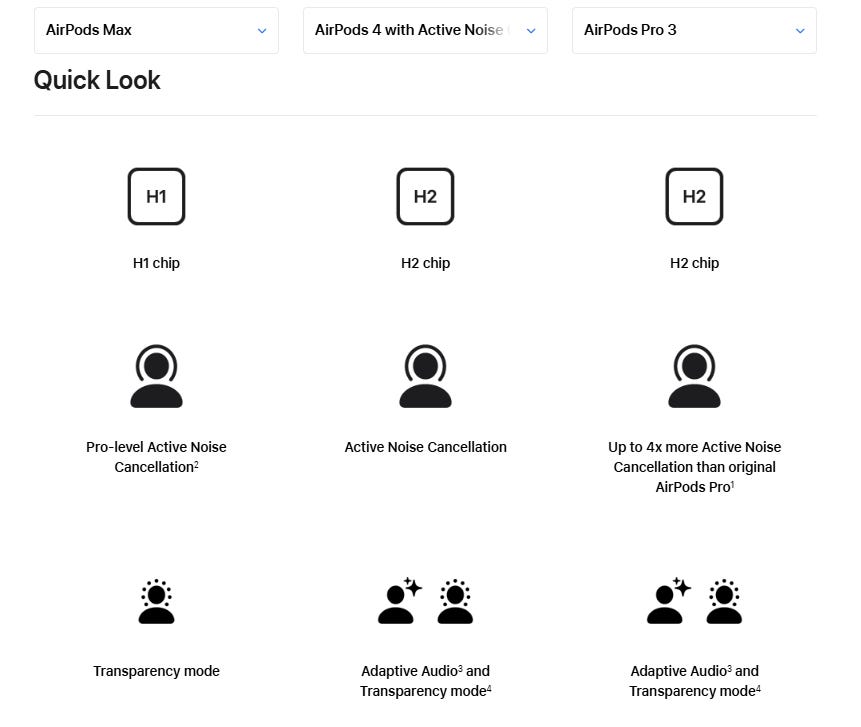
AI agents don’t read your beautiful brand story. They parse facts: pricing, features, specifications, availability, reviews.
Make this information explicit, structured, and easy to extract. FAQ sections. Comparison tables. Spec sheets. Product schema markup.
4. Don’t neglect the human journey.
Yes, optimize for agents. But remember: the human still approves. Brand trust, emotional resonance, and differentiation matter as much as ever.
The winning strategy is “AND,” not “OR.” Optimize for both journeys.
5. Monitor agent mentions (imperfectly).
Periodically ask various AI assistants about your category. Screenshot the results. Track whether you’re being recommended, and what’s being said about you.
It’s not a dashboard. It’s not perfect. But it’s better than flying blind.
The proof it works: HubSpot created a dedicated “AEO Pod” and focused on niche content and Reddit engagement (because ChatGPT has data licensing deals there). Result: 800% increase in AI assistant visibility and 1,400% increase in referral traffic from AI agents in 6-8 months.
That’s it for this prediction. Agree/disagree? Got remarks? Roast me in the comments.
What’s next? The counter-trend nobody’s talking about.
Tomorrow: Prediction #4 — The “Human Premium” emerges.
Spoiler: As AI floods the internet and agents mediate decisions, “human-made” suddenly becomes scarce. And scarcity creates premium. The brands leaning into unscalable authenticity are winning.
Cheers, Kasper