

Before the Christmas holidays I explained why AI became the new gatekeeper. Today’s prediction is about what happens when everyone has the same tools.
This is prediction #4/15 for marketing careers:
I’ve developed a new kind of banner blindness.
Not for ads. For AI slop.
 Tiktok failed to load.
Enable 3rd party cookies or use another browser
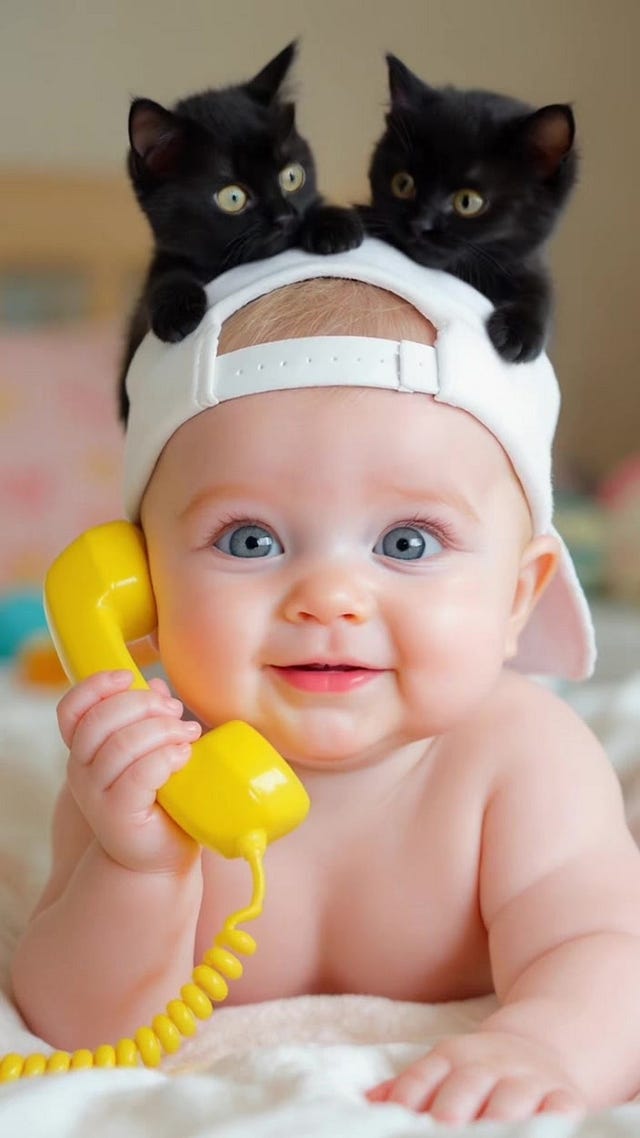
I love both babies and kittens, but my god this is just trailer trash. And it has 8M views…
I skip obviously AI-generated videos instantly. I scroll past obvious AI-generated LinkedIn posts without reading them. I unsubscribed from newsletters that sounded like ChatGPT with a corporate filter. I close browser tabs the moment I land on a site that feels like every other template Lovable site.
My attention is only triggered by captivating stuff. Whether they used AI or not doesn’t really matter. What matters is whether it feels like someone actually put in the effort to create something worth my time.
I might be biased. I work in marketing. But I don’t think I’m alone.
Prediction 4/15: The “Human Premium” emerges. Do you need to become anti-AI?
What’s happening? The internet drowned in synthetic noise.
You’ve seen the typical stats: like “90% of online content will be AI-generated” or “more than half of internet traffic is bots”.
The dead internet theory, basically.
The result? What the internet calls “AI slop”. Low-effort synthetic content designed to game algorithms. Parrot-on-a-bike videos. AI Stephen Hawking explaining crypto. Talking babies everywhere. LinkedIn thought leadership that reads like it was generated by a prompt that included the word “leadership.”
And consumers are reacting.
Research from Washington State University found that labeling content as “Made with AI” can actually lower purchase intention and emotional trust. Consumers perceive AI-generated marketing as “effortless” and “lazy.”
That’s not a tech problem. That’s a brand problem.
Kieran Flanagan, SVP of Marketing at HubSpot:
“The more content is generated by AI, the more I think people will switch towards trusting content from someone they trust like an individual versus a brand.”
Faces beat logos. Personal beats corporate. Human beats synthetic.
The “Human Premium” isn’t anti-technology. It’s anti-average.
What’s amplifying this? AI defaults to the mean. Humans provide the variance.
Here’s the research that should worry every marketer leaning too hard on AI for creative work.
Jessica Apotheker, CMO at BCG, shared findings from a Harvard/BCG study:
“When people over-rely on generative AI, the collective divergence of ideas drops by 40 percent. Concretely, that means that new ideas don’t come to the surface. It means that true innovation is being stifled.”
Why? Because AI was trained on existing content. It produces pattern replication at scale. As Alicia Arnold puts it:
“What AI produces is not creativity, it’s pattern replication at scale... It can’t understand the cultural tension that makes a message land powerfully or fall flat.”
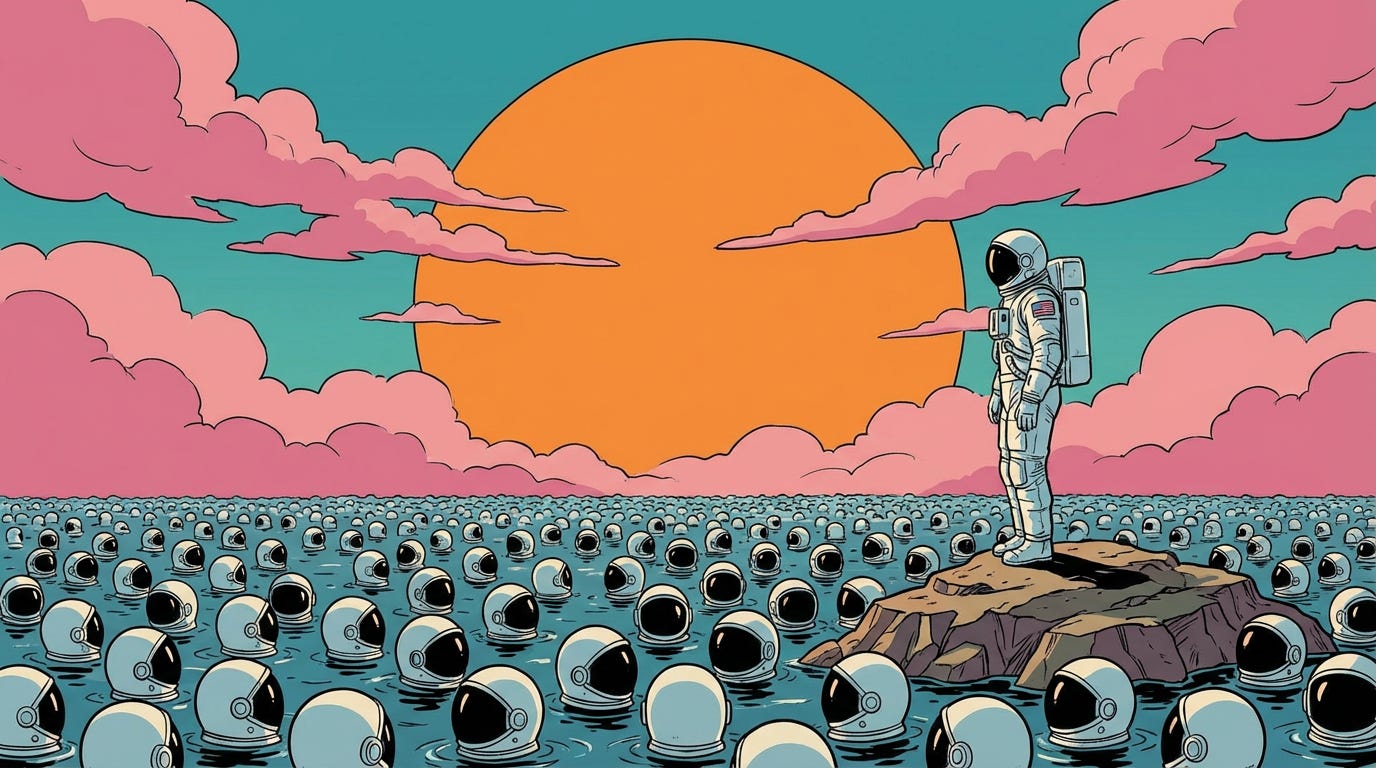
The result is what Kantar’s Mary Kyriakidi calls the “sea of sameness”:
“Brands that fail to differentiate risk being lost in a sea of sameness—if you’re not the default recommendation, you’ll be optimised out.”
Everyone’s using the same tools. The same prompts. Getting the same outputs.
And audiences are tuning out.
The brands winning aren’t the ones publishing more AI content. They’re the ones publishing different content.
The case studies that prove it
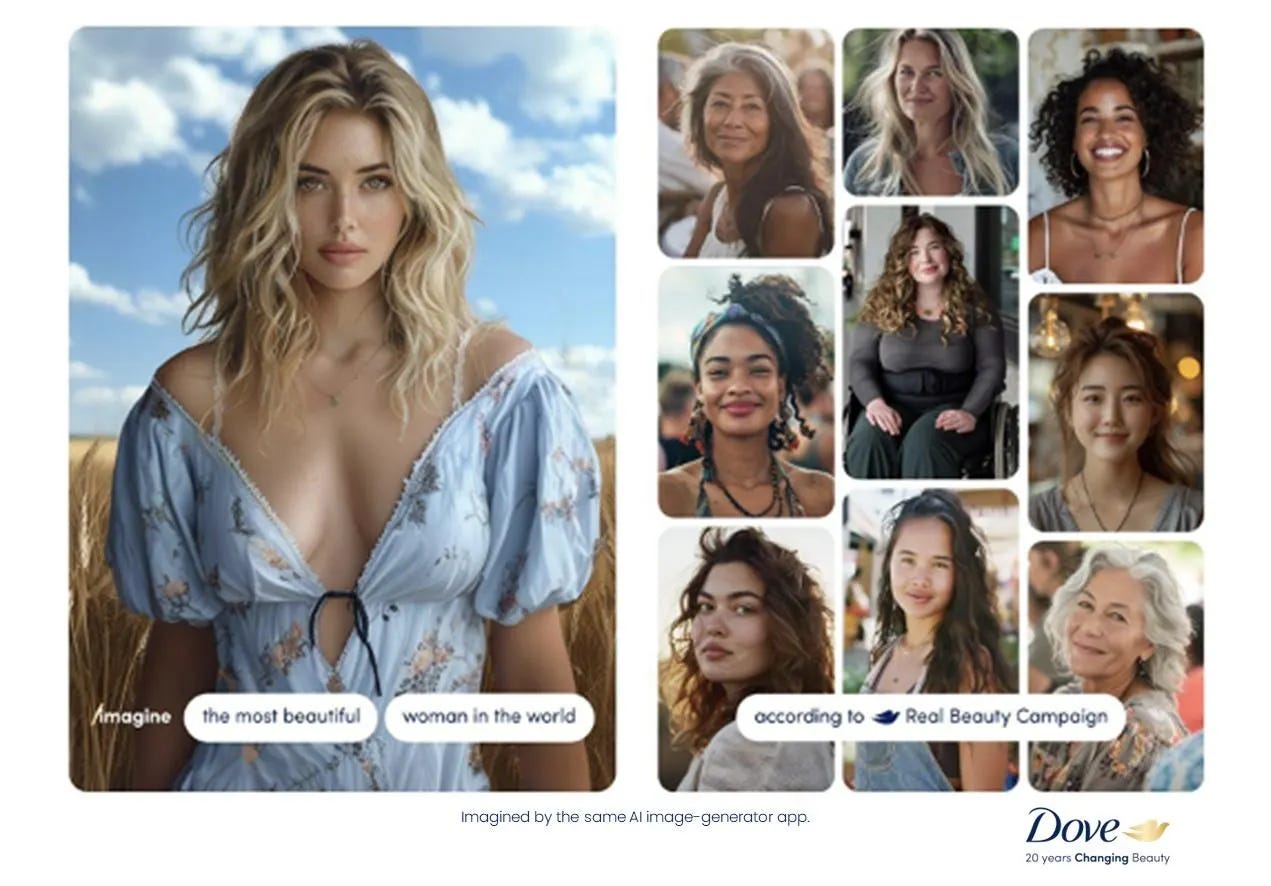
Dove pledged to never use AI to create or distort women’s images. They released a “Real Beauty Prompt Playbook” to counter the synthetic tide. By opting out of the AI race in visual representation, they reinforced their core equity: authenticity.
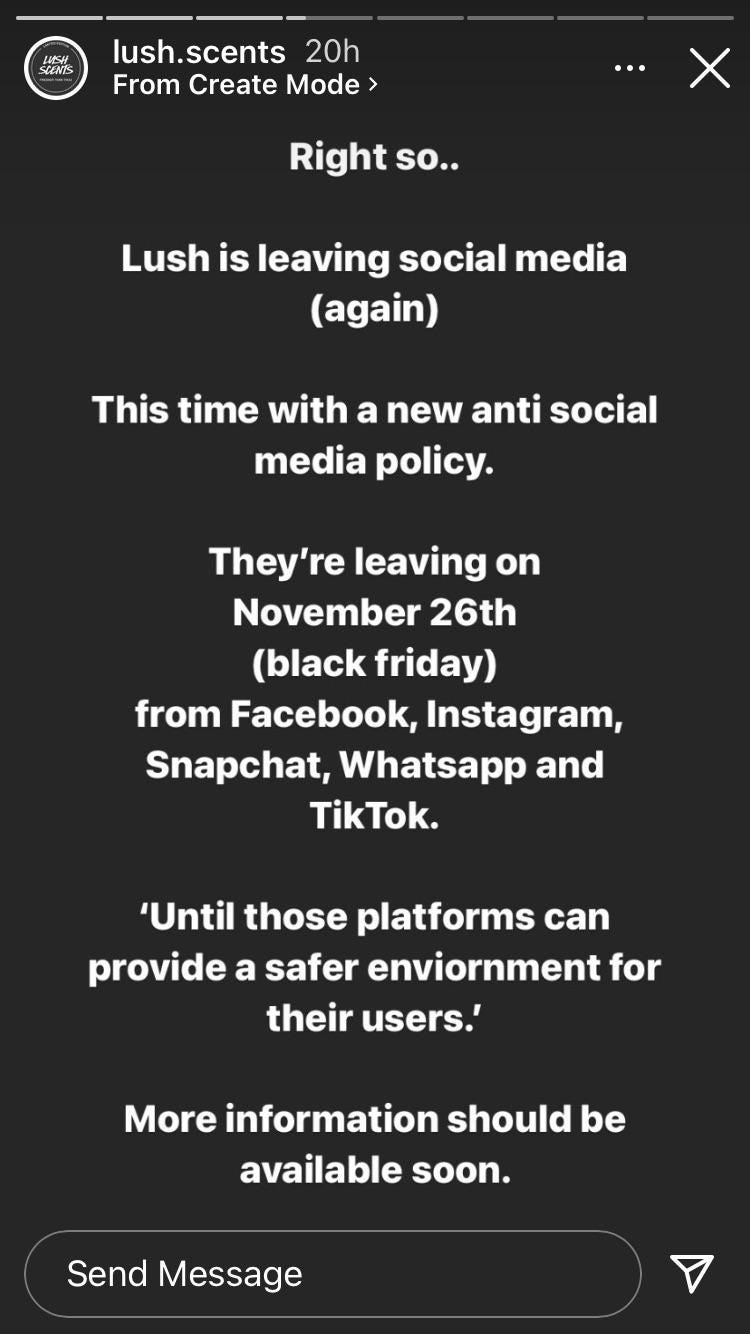
Lush Cosmetics went further. They quit social media entirely: Meta, TikTok, all of it. To create what they call a “walled garden” of safer community. Instead of algorithmic reach, they invested in physical events and creator partnerships.
Conventional wisdom says quitting social is suicide. But Lush reported its best December sales in two years and a 54% increase in physical store sales.
But you don’t need to ban AI or quit socials to be different.
Kalshi, the prediction market, took the complete opposite approach. They leaned into AI-generated marketing—but made it so obviously, intentionally weird that it became distinctive. They stayed away from the uncanny valley by embracing the absurdity. Obvious AI, but with a point of view.
Compare that to Coca-Cola’s AI-generated Christmas campaign or McDonald’s rejected AI ad in the Netherlands. Both got torched because they hit the uncanny valley dead center (and lots of other reasons). Close to real, but off.
The lesson isn’t “don’t use AI.” It’s “don’t be boring with it.”
What’s the catch? Leadership is squeezing the wrong way.
Here’s where I pump the brakes on the “Human Premium” hype. Because there’s a painful tension nobody’s addressing.
The consumer wants human. They’re tuning out AI slop, craving authenticity, rewarding brands that feel real. Authenticity creates premium.
But leadership wants efficiency. “Can’t we do that with AI?” is now a standard question in board meetings and marketing reviews.
Every marketing team is getting squeezed. Less budget. Less headcount. More pressure to automate.
The result? The people who could add the human premium are being pushed to produce more AI slop instead.
This hits small businesses hardest. Big brands like Dove and Lush have the equity and budget to make bold “human-first” bets. A 10-person startup doesn’t have the luxury of quitting social media to prove a point.
And let me be clear: “Human Premium” doesn’t mean “anti-AI.”
I don’t believe in being anti-AI. That’s like being anti-electricity in 1830. AI is useful progression, if used right.
The problem isn’t AI. The problem is lazy AI.
Copy-paste prompts. Zero editing. No human judgment in the loop.
Consumers don’t care if you prompted Claude at 2am to help write your newsletter. They care if the newsletter is interesting, relevant, fun...
The winning formula isn’t Human vs. AI. It’s Human + AI, with the human providing the taste, judgment, and creative direction that AI can’t.
That’s what I mean with the banner blindness. My attention only triggers for content that feels like someone gave a shit.
Whether they used AI to make it? I genuinely don’t care. What I care about is whether it’s interesting.
The storyteller signal
Here’s a trend that caught my attention. The Wall Street Journal reported that companies are increasingly hiring for roles explicitly called “storyteller.”
Not novelists. Not content managers with a fancy title.
But people who can translate complexity, restore trust, and make meaning in noisy, AI-saturated systems.
LinkedIn data shows the percentage of US job postings including the term “storyteller” doubled in the year ended November 2025. Over 50,000 marketing listings. More than 20,000 in media and communications.
That’s the market signaling what it needs: humans who can make sense of the chaos.
What to do if you’re just starting in marketing?
Here’s the uncomfortable truth for new marketers: AI is automating the grunt work that used to teach you taste.
Junior marketers learned by writing dozens of social posts, pulling reports manually, making mistakes on low-stakes projects. That middle layer is being hollowed out.
So how do you develop taste if AI does the reps for you?
1. Study the outliers. Build a swipe file of marketing that moved you. Not what got engagement. What actually made you stop, think, feel something. Train your eye for distinctiveness.
2. Edit AI output ruthlessly. Use AI as a starting point, then tear it apart. The editing is the education. Every “this sounds generic” moment is a lesson.
3. Develop opinions. AI has no opinions. It produces the average of the internet. Your opinions, your taste, your point of view. That’s your competitive moat.
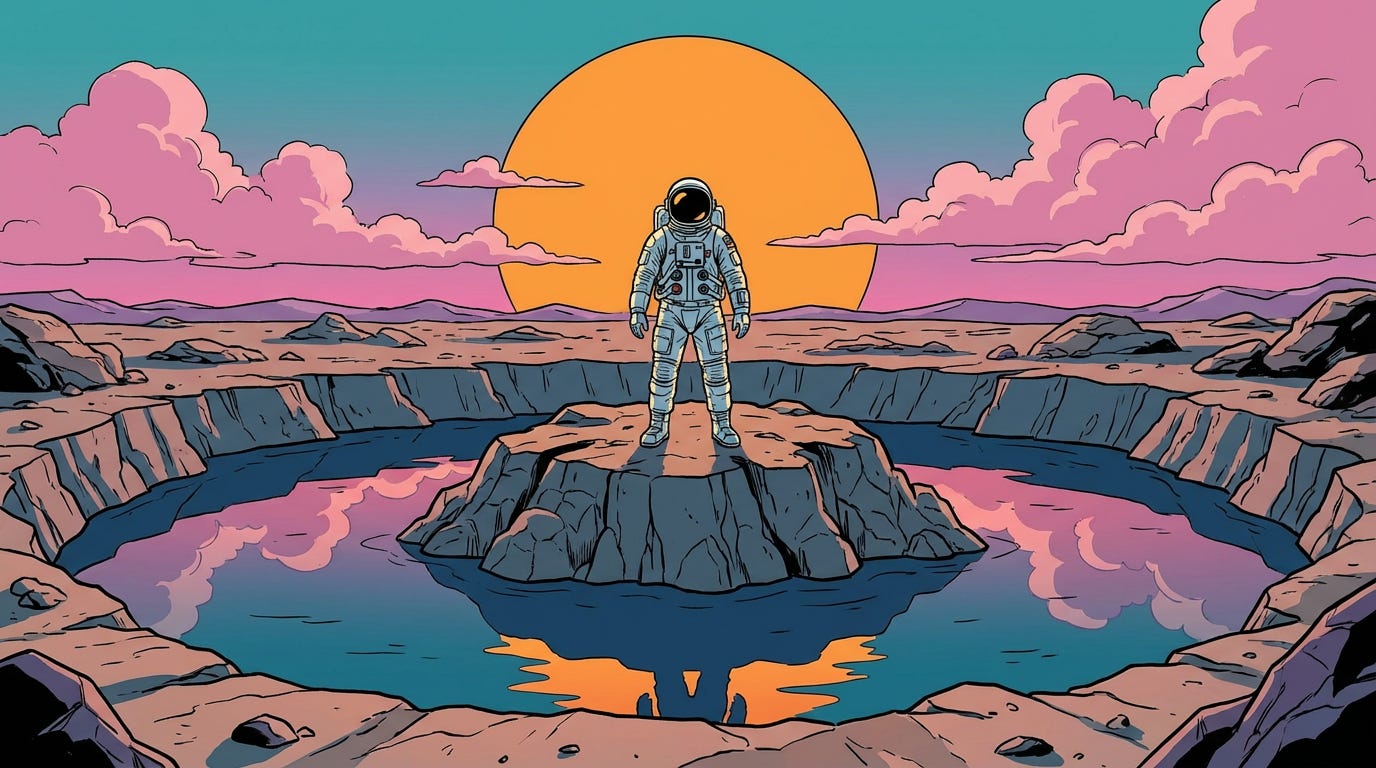
So what now? Be the Purple Cow in the sea of sameness.
Here’s the practical starting point for any marketing manager:
1. Ask the Purple Cow question.
What is everyone else doing (zigging)? How can you be remarkable (zagging)?
This isn’t new thinking. Seth Godin wrote Purple Cow in 2003. But it’s never been more relevant. When everyone has the same AI tools, differentiation becomes the only game.
For those that need a reminder:
2. Audit your content for “slop signals.”
Be honest: does your content look like AI generated it? Same structure, same phrases, same stock-image-energy visuals?
If you can’t tell your content from a competitor’s, neither can your audience.
3. Invest in faces, not just logos.
The data shows audiences trust individuals over brands:
→ Founder-led content outperforms corporate content
→ Personal LinkedIn profiles get 4-5x more reach than company pages
→ YouTube channels with faces grow 3x faster than faceless YouTube channels
Where can you put more humans in front of your brand? More video with real people? More podcast appearances? More founder visibility?
4. Use AI to scale your voice, not to replace it.
The winning workflow: Capture your raw human thoughts (voice memos, interviews, rants). Use AI to format and scale those thoughts. Edit with your judgment.
The human premium isn’t about avoiding AI. It’s about ensuring the human stays in the driver’s seat.
One of my favorite examples of last year: Hubspot’s “Marketing Against the Grain” YouTube Channel. They’re using tons of AI solutons to brainstorm, create, edit and distribute the video. But it’s still 100% human.
5. Embrace unscalable authenticity.
Not everything. Not always. But identify the moments where human touch matters most. First impressions. Key conversions. Community building.
Like the epic “do things that don’t scale” essay from Y Combinator founder Paul Graham.
Then protect those moments from automation pressure.
That’s it for this prediction. Agree/disagree? Got remarks? Roast me in the comments.
What’s next? Time becomes a liability.
Tomorrow: Prediction #5 — “Taking your time” becomes a career risk.
Spoiler: The marketer who loved spending 8 hours perfecting a blog post? They’re now a liability. AI reset the market’s expectations. And the friction between AI-native and AI-curious teammates is creating real tension.
Cheers, Kasper